

Educational Sessions
JUMP TO: General Sessions | Workshops
The GHSA Annual Meeting features a wide range of engaging and informative educational sessions covering persistent and emerging safety issues. These sessions vary in format from widely-attended keynote speeches to in-depth workshops, so attendees can learn and share in multiple ways.
MONDAY, AUGUST 31 | 8:30-10 A.M.
Opening General Session
New Frontiers in Road Safety Technology
Speakers

Jonathan Morrison
Administrator
National Highway Traffic Safety Administration


Laura Demeo Chace
President & CEO
Intelligent Transportation Society of America
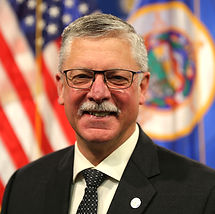
Michael Hanson
Director & Governor's Representative
Minnesota Office of Traffic Safety
MONDAY, AUGUST 31 | 3:15-4:30 P.M.
Slowing Speeding: How Active ISA Can Change Driver Behavior
Speeding remains one of the most persistent and deadly threats on U.S. roadways, and highway safety leaders are looking for stronger tools to address it. Drawing on the new GHSA guidebook on Intelligent Speed Assistance, we’ll examine how active ISA works, what research and pilot programs suggest about its potential to reduce speeding, and why it’s gaining traction as a practical countermeasure. Through three interview-style vignettes focused on repeat speeding offenders, fleet operations and teen drivers, learn how the technology is and can be applied, and what you can do to promote its adoption.

Jessica Ross
Driver Programs & Services Program Director
American Association of Motor Vehicle Administrators (AAMVA)

Chuck DeWeese
President & CEO
Connecting Clients Consulting LLC

Moderated by Pam Shadel Fischer
GHSA Senior Director of External Engagement
Speakers

Judge Michael Cassidy
Judicial Outreach Liaison
Virginia

Michelle Anderson
Director of Operations
The National Road Safety Foundation

Logan Guynn
National Vice President
of Public Relations
Family, Career and Community Leaders of America (FCCLA)
TUESDAY, SEPTEMBER 1 | 9-10 A.M.

Authentic Influence in the Age of AI
Anthony Shop
-
Social Driver Co-founder
-
National Digital Roundtable Chairman
-
Chief Influencer Podcast Host
Anthony will shine a new light on what it means to be “real” and help you leverage your power as a storyteller to achieve your professional and personal goals.

Moderated by GHSA CEO Jonathan Adkins
TUESDAY, SEPTEMBER 1 | 3:15-4:30 P.M.
A Comprehensive Look at Distracted Driving
Distracted driving is commonplace and deadly – but it's also preventable. Learn about a unique campaign to create a new generation of safer, distracted-free road users, the role of automakers and how they are addressing the issue, how states are using telematics data, and how coalitions and data can shape safety legislation.
Speakers

Jennifer Morrison
Director, Vehicle Safety Strategy
Mazda

Jonathan Nelson
State Highway Safety
& Traffic Engineer
Missouri DOT

Jennifer Smith
CEO
StopDistractions.org

Mitchell Daugherty
Manager, Automotive Technology Research
State Farm

Moderated by Daniel Zimmerman,
GHSA Senior Director of Government Relations and Policy
WEDNESDAY, SEPTEMBER 2 | 10:45 A.M.-NOON
Impaired Driving: Where We Are and Where We're Headed
The future of impaired driving prevention technology is bright. We’ll explore the current state of impaired driving and prevention efforts and the technology solutions that are to come. Over two breakout conversations, learn about:
-
Current federal efforts to combat impaired driving
-
Responsible consumption, alcohol education, mental health, stop testing, and screening and assessments for offenders
-
Research on impairment and the safety potential of in-vehicle systems
-
Passive impairment-detection tools designed to prevent a vehicle from starting when a driver is impaired

David Harkey
President
Insurance Institute for Highway Safety / Highway Loss Data Institute

Leslie Kimball
Executive Director
Responsibility.org

Stacey D. Stewart
CEO
Mothers Against Drunk Driving (MADD)
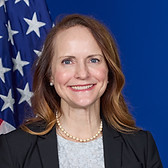
Jane Terry
Director, Office of Impaired Driving and Occupant Protection
National Highway Traffic Safety Administration

Moderated by Lisa Freeman,
Executive Director, Louisiana Highway Safety Commission
Workshops


Nineteen workshops will cover a wide range of timely traffic safety topics and share valuable information that you can immediately put to work. New this year, “Tech Talk” sessions in the Exhibit Hall will feature companies and their state partners discussing how states are using data and technology to improve road safety.
Monday, August 31
10:30 a.m. - 12:00 p.m.
Road Safety Audits: Different Perspectives, Shared Solutions
Road safety audits bring together professionals from a variety of disciplines to identify risks and practical safety improvements. Using real-world examples and active discussion, explore how this collaboration turns varied perspectives into creative, shared solutions. Participants will leave with ideas for new partnerships, proven countermeasures and a clearer understanding of how practical improvements can build momentum and help communities achieve long-term safety goals.
Can Technology Help Us Get to Zero?
The future of traffic safety isn't coming; it's here. Artificial intelligence, connected vehicles and smart infrastructure are transforming crash prevention, work zone safety and incident response. Hear from transportation technology leaders as they share proven innovations that are improving roadway safety, including post-crash alerts for first responders, real-time variable speed limits that reduce crashes and emerging commercial vehicle technologies.
Shared Streets, Shared Responsibility: Behavioral Strategies for Multimodal Urban Safety
As cities and towns grow more complex, so do interactions among pedestrians, bicyclists, drivers, micromobility users and emerging technologies. Using the Safe System approach, explore how human behavior drives safety outcomes in shared urban spaces, combining real-world scenarios, interactive discussion and expert insight to unpack common conflicts and the factors behind them. Participants will learn practical, behavior-informed strategies to reduce friction and improve safety, leaving with actionable tools and a fresh perspective on how empathy, predictability and shared responsibility can shape safer multimodal communities.
Next-Gen Law Enforcement Leadership: Developing Future Traffic Safety Champions
As law enforcement agencies navigate evolving workforce, resource and leadership challenges, strong partnerships with State Highway Safety Offices have never been more important to traffic safety success. Hear from past and present law enforcement leaders as they explore emerging issues, changing expectations and practical strategies for building the next generation of traffic safety leadership.
What's Next for Roadway Safety? A Surface Transportation Reauthorization Town Hall
The next transportation reauthorization will help shape the nation's roadway safety priorities for years to come. Hear from national traffic safety leaders on the legislative outlook, federal priorities and potential impacts on behavioral safety programs. Following the panel discussion, attendees will join an open town hall to share state and local perspectives, identify emerging challenges and contribute to the conversation shaping the future of traffic safety.
1:30 p.m. – 3:00 p.m.
Breaking Through the Noise: Bold Ideas for Traffic Safety Marketing
Drivers are inundated with information every day, making traditional messaging increasingly easy to ignore. Reaching high-risk audiences now requires bold, unforgettable ideas that break through, spark emotion and change behavior. Learn how three State Highway Safety Offices developed bold, high visibiity campaigns that broke through the noise and engaged high-risk audiences. Through real-world examples, participants will gain practical insights on selling big ideas, navigating approval processes, managing risk and building successful partnerships. This interactive workshop will help you create your own “Big Idea Blueprint” and leave with actionable strategies to elevate your traffic safety marketing efforts.
From Pixels to Pavement: Using Technology to Protect People Walking and Rolling
Pedestrian fatalities are showing signs of decline after years of troubling increases. What role can technology play in building on this momentum? Discover how cutting-edge tools, including telematics data, in-vehicle driver alerting and school bus stop-arm cameras, are better understand risk and prevent crashes. Learn how innovative technologies are helping identify risks, target interventions and create safer environment for people walking and rolling through their communities.
Drug-Impaired Driving: Lessons from a Tragedy
A 2022 drug-impaired driving crash in North Las Vegas that killed nine people raised urgent questions about how impaired driving cases are identified, prosecuted and prevented. Through a detailed examination of this case, panelists representing different parts of the traffic safety system will explore the critical decisions, missed opportunities and systemic gaps that contributed to the outcome. Learn how these lessons are informing policies, programs and strategies to better identify high-risk offenders and prevent future tragedies.
ADAS Only Works If You Use It
Millions of vehicles are equipped with advanced safety technologies designed to help prevent crashes, yet many drivers do not fully understand or use these features. How can State Highway Safety Offices help close this gap? Learn from a new partnership between the Alliance for Automotive Innovation and GHSA that tested new approaches to increasing Advanced Driver Assistance System (ADAS) awareness and adoption. Industry leaders, communications experts and a participating SHSO will share lessons learned, promising practices and effective messaging strategies that can help drivers get the full safety benefits of this technology.
Exhibit Hall Tech Talks
-
Abbott
-
BusPatrol
-
Cambridge Mobile Telematics
-
Campus Multimedia
-
DrugImpairment.com
-
Impact Teen Drivers
-
Mindr
-
Replica
-
Waymo
Tuesday, September 1
10:30 a.m. - 12:00 p.m.
The First Drop: Saving Traffic Crash Victims Through Pre-Hospital Blood Transfusions
When severe blood loss occurs after a crash, every minute counts. Many people who die in traffic crashes are still alive when first responders arrive, making rapid treatment critical to survival. Emerging evidence shows that administering blood before a patient reaches the hospital can be a matter of life and death. Learn how California and Washington, D.C. are equipping paramedics with this lifesaving capability and what it takes to launch a pre-hospital blood program. Hear how lessons from military medicine, innovative partnerships and new federal investments are expanding access to this promising countermeasure and creating new opportunities to save lives on our roadways.
Riding Safe: Electric Bikes, Scooters and the Road Ahead
The rapid growth of electric bikes and scooters is transforming transportation, but it is also raising new questions about safety, enforcement and accountability. How can states encourage mobility while protecting riders and everyone else on the road? Join experts from highway safety, medicine, law enforcement, research and industry as they explore emerging injury trends, rider behavior and the policy debates shaping the future of micromobility. Gain practical insights on developing clear regulations addressing data challenges, improving education efforts and creating safer conditions for all road users.
Leveraging Technology and Data for Smarter Enforcement
What if law enforcement could identify speeding and distracted driving risks as they happen? Emerging technologies are making that possible. Explore how Washington is using telematics data to support targeted enforcement and how Arkansas combined real-time work zone monitoring with enforcement strategies to significantly reduce crashes. Hear firsthand lessons from these innovative programs and learn practical approaches for using data and technology to improve enforcement effectiveness, focus resources where they’re needed most and enhance safety outcomes.
Behind Every Successful Safety Program: Leadership, Strategy, and Results
Great highway safety programs are built on more than good ideas. They require effective leadership, thoughtful planning, smart resource management and a focus on results. Hear from seasoned highway safety office leaders about what's working in their states, how they're overcoming common challenges and the practical strategies they use to deliver impactful safety programs. Bring your experiences, questions and ideas for this peer-to-peer exchange.
Impact in Motion: Youth Programs that Drive Real Change
Young people are among the most influential voices in shaping driving behaviors, but meaningful engagement takes more than traditional outreach. Discover four impactful youth highway safety programs that are delivering measurable results through innovative approaches tailored to different audiences. Hear how these programs were developed, implemented and evaluated, and learn why youth engagement is a critical component of an effective highway safety strategy. Gain practical insights and proven ideas for empowering young leaders and building programs that create lasting change.
1:30-3:00 p.m.
New Tools, New Voices: LinkedIn, AI and Influencers in Roadway Safety
The old communications playbook isn't enough anymore. How do you reach audiences that are tuning out traditional messages? The answer may lie in new platforms, emerging technologies and unexpected messengers. Learn how to harness LinkedIn to tell your story and build your professional brand, use AI to work smarter and create content more efficiently and partner with social media influencers to connect with audiences beyond your reach. Packed with practical examples and actionable insights, you’ll leave equipped with fresh strategies to modernize your communications and extend the reach of your safety message.
Surprise! Driver Education is Making a Comeback
What is one of the most effective traffic safety solutions has been hiding in plain sight? Research shows that young drivers who complete comprehensive driver education are outperforming older novice drivers and experiencing fewer crashes. Across the country, states are turning these findings into action through innovative programs, new funding approaches and policy changes designed to improve access to quality driver education and training. Explore successful state initiatives, exchange ideas with peers and discover strategies that can help build a stronger safety culture among the next generation of drivers. Along the way, put your own knowledge to the test with real questions from driver licensing exams.
Designing High-Impact Traffic Safety Outreach Programs
Take the wheel and turn ideas into action. Using proven behavior change principles, you’ll collaborate with fellow participants to design a targeted outreach campaign or community event focused on a real traffic safety problem. Develop key messages, audience engagement strategies and implementation tactics, then compare approaches and insights with peers. You’ll leave with hands-on experience, fresh ideas and practical strategies you can immediately apply in your own state or community.
From Roadside to Courtroom: Aligning Law Enforcement, DRE Programs and Justice Partners
What does it take to build a strong impaired driving system? It starts at the roadside but extends all the way to the courtroom. Explore how law enforcement agencies, Drug Recognition Experts, toxicologists, prosecutors and judges are working together to improve impaired driving investigations, strengthen cases and enhance roadways safety. Learn how expanded training, stronger partnership and better coordination across the justice system are helping communities address drug-impaired driving more effectively and achieve better outcomes at every stage of the process.